Encourage deeper exploration
Guide visitors toward overlooked exhibits, quieter paths, historic details, partner businesses, or parts of a site they might otherwise pass by.
Immersive narratives layered onto reality

Overlay Dynamics creates self-guided narrative experiences for destinations like business districts, campuses, museums, gardens, parks, and zoos. Visitors follow an immersive story through the real world, solving puzzles built around existing landmarks, art, architecture, and markers.
No performers to book. No construction or build-out. No daily staffing.
reached in one week, with zero marketing spend JoinCult.com / Culver City, CA
from concept to playable experience – designed from 700 miles away Perceptual Technology Division / Park City, UT
turned into a playable puzzle hunt The Foxglove Papers / Downtown Los Angeles, CA
custom web apps, NFC interactions, and persistent progress tracking Los Feliz Everywhen Association / Los Angeles, CA
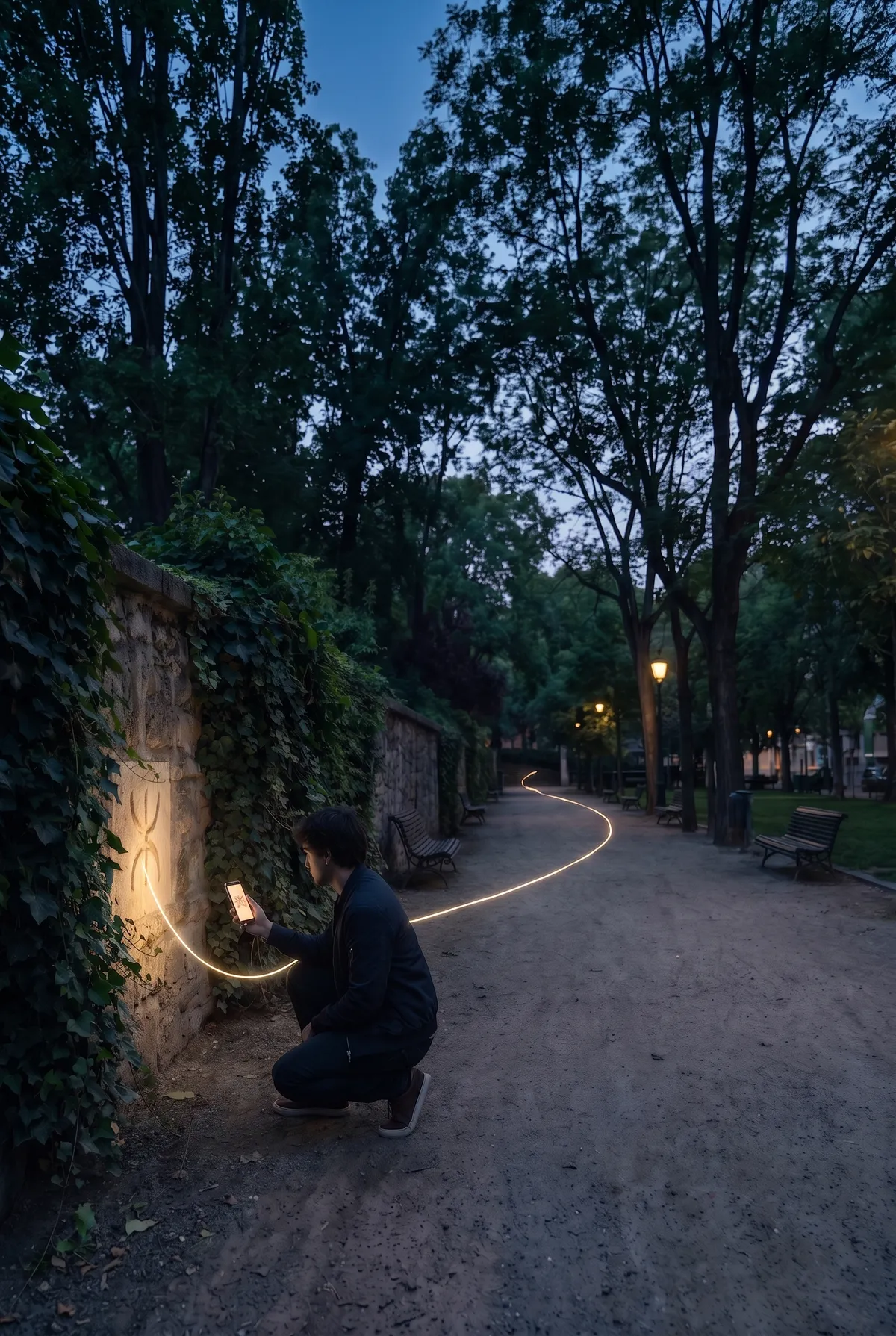
An Overlay is a self-guided location-based game that combines the adventure of a scavenger hunt, the puzzle-solving of an escape room, and the narrative flow of an immersive theater performance.
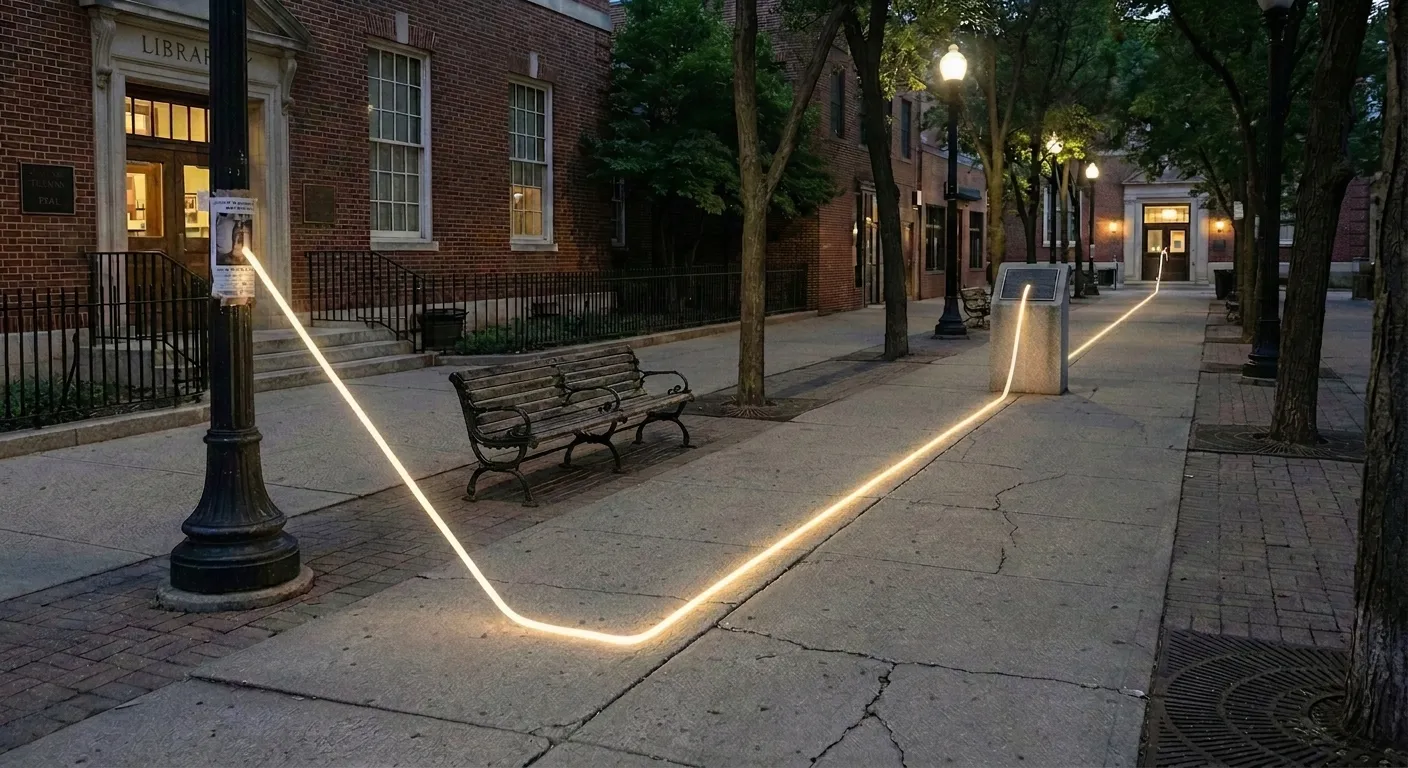
Instead of planting clues, building a set, or hiring performers, we use what’s already there. A name on a plaque, a figure in a mural, or an overlooked piece of local history can become the key that unlocks the next part of the experience. Games can vary from branching narratives that unfold across multiple visits to focused experiences completed in under an hour.
Visitors might begin with a poster, QR code, or mysterious message. The game then leads them through the site at their own pace. Each discovery changes how they see the place around them: familiar details take on new meaning, overlooked corners become destinations, and the visitor becomes part of a custom-crafted story that could only happen there.
Experience an Overlay in action.
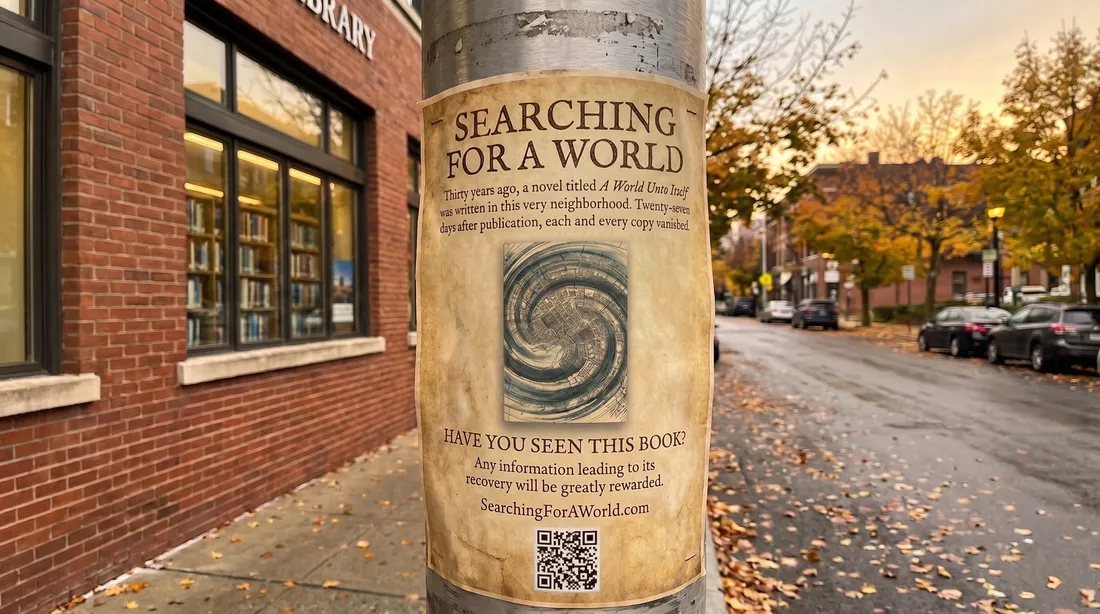
You notice a poster outside a library advertising an experimental novel written and set in the surrounding neighborhood. A QR code leads to a website claiming that the book – and its author – vanished decades ago.
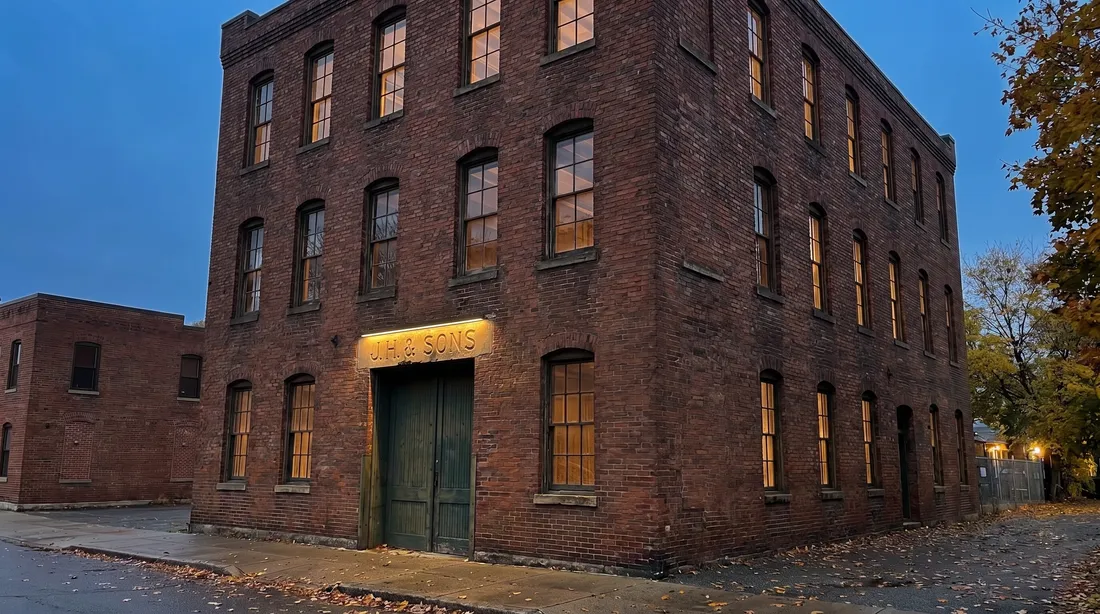
Fragments of the novel point toward a brick warehouse across the street. The name carved above its entrance unlocks another piece of the story. New clues draw you through nearby cafés, gardens, artwork, and public spaces.
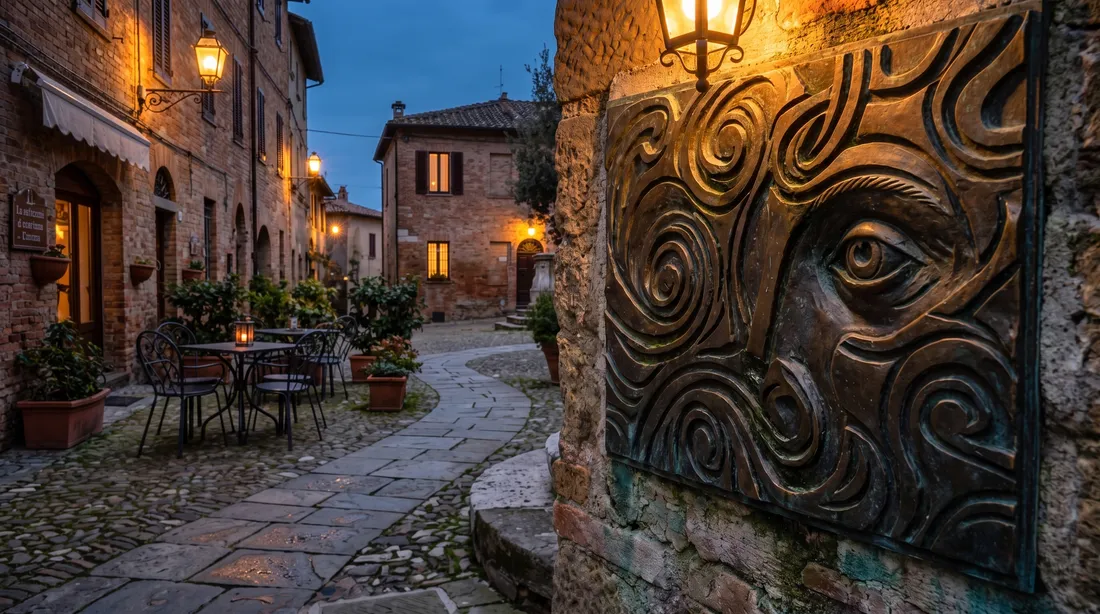
Words and symbols you may have passed a hundred times now hold hidden meaning. You’re no longer simply walking through the neighborhood. You’re assembling its secret history.
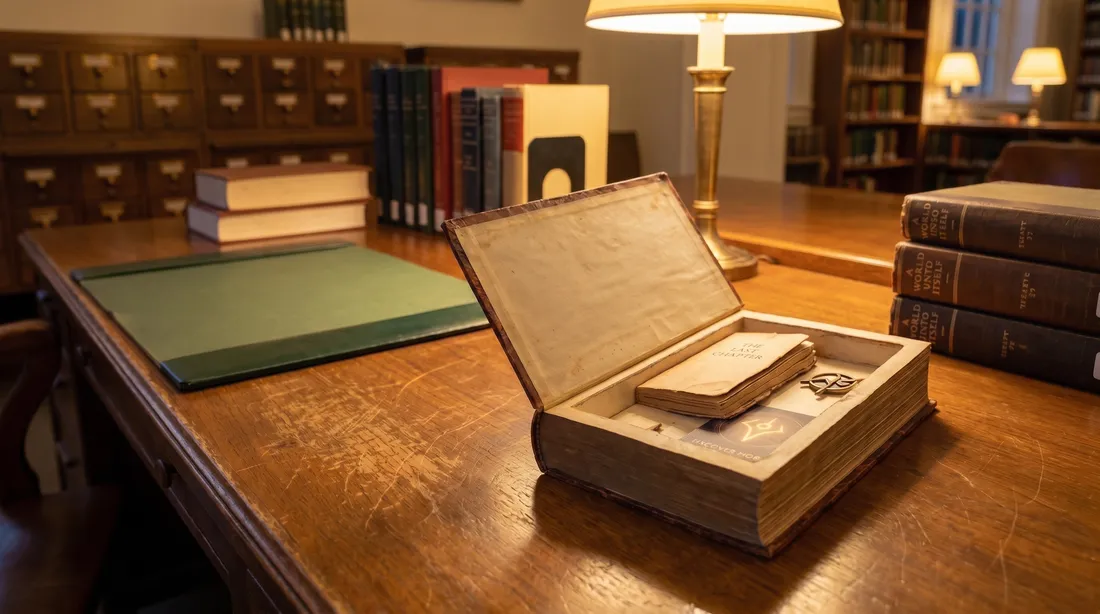
The trail eventually returns you to the library, where a final discovery completes the story and leaves you with an invitation to find the other Overlays waiting nearby.
The hardest visitors to reach are the ones who think they’ve experienced everything you have to offer. An Overlay adds a new layer without replacing or disrupting what’s working.
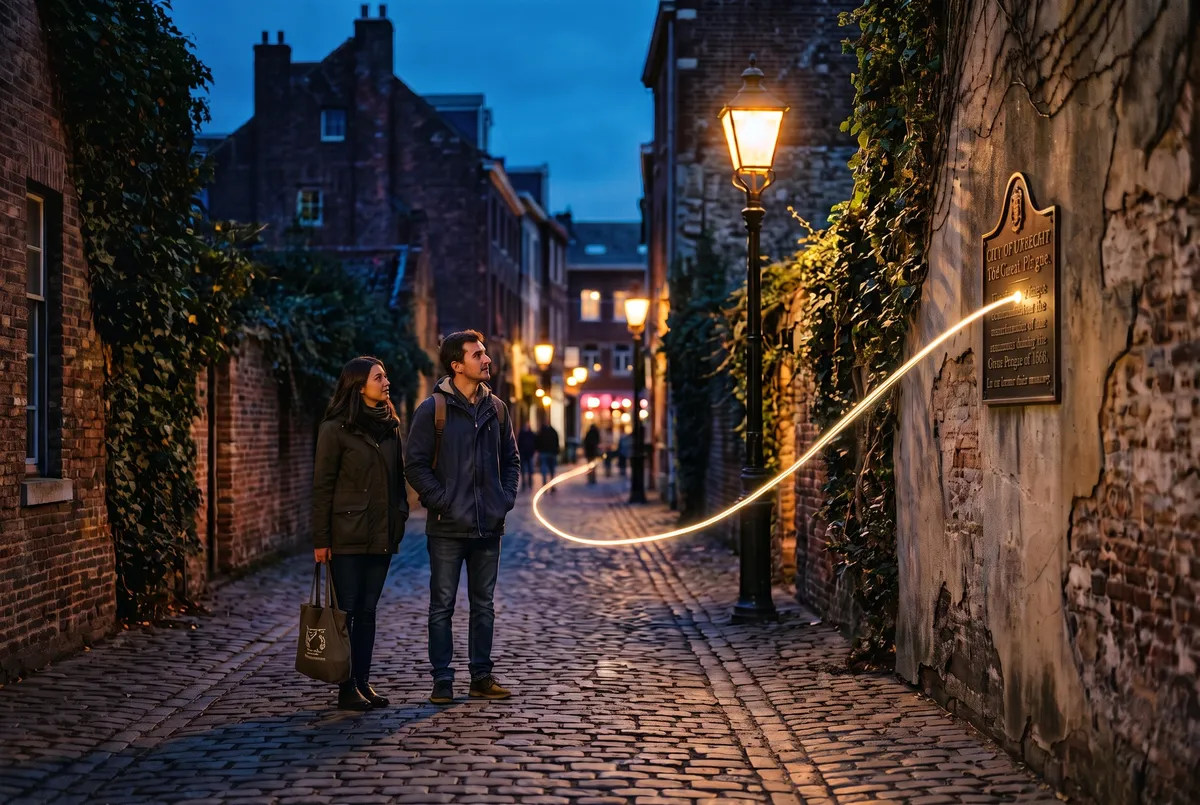
Guide visitors toward overlooked exhibits, quieter paths, historic details, partner businesses, or parts of a site they might otherwise pass by.
A new story can make a familiar place feel undiscovered. Additional chapters and seasonal experiences can be commissioned when you want to invite visitors back again.
History, conservation, art, research, and local identity become things visitors actively uncover instead of passively receiving.
An Overlay can create a shared experience across venues, neighborhoods, businesses, or collaborating organizations without requiring them to operate a conventional event together.
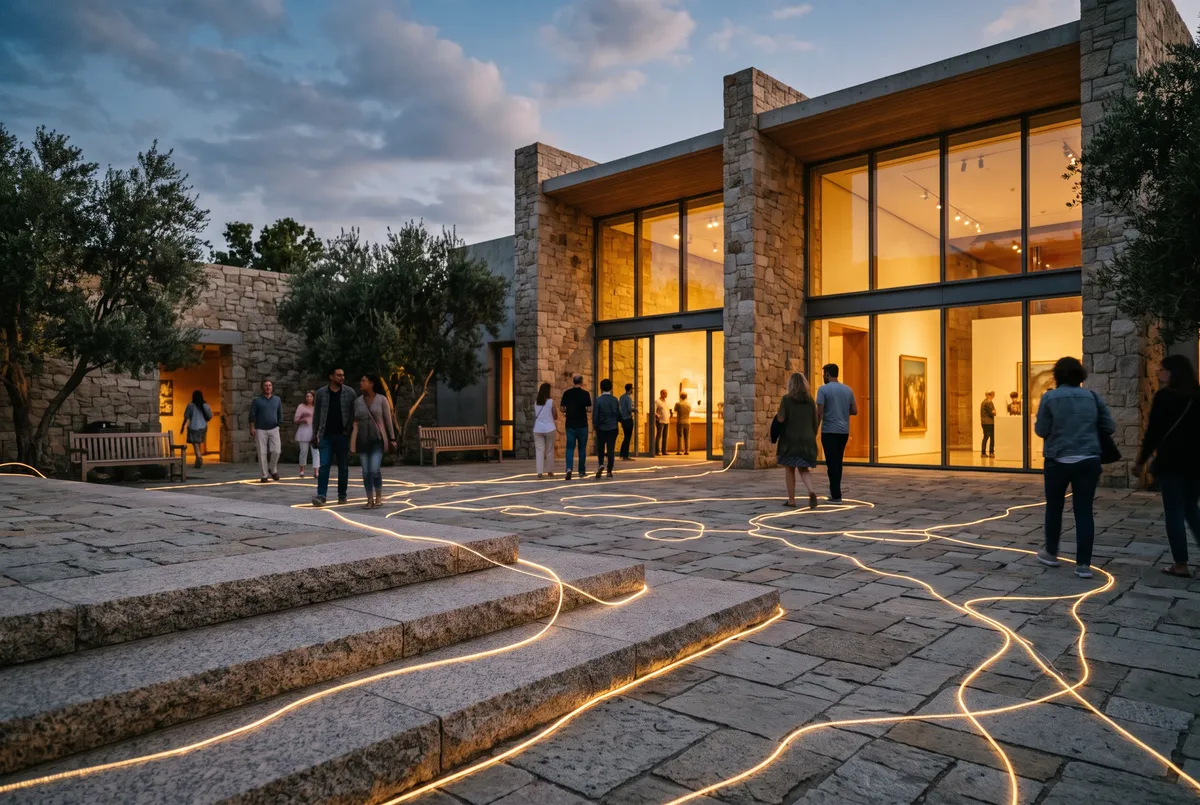
Overlays can be designed for families, first-time puzzle solvers, and experienced players alike. Layered hints, multiple difficulty paths, and saved progress let participants engage at the level and pace that works for them.
Digital experiences can report how many people began, which challenges they reached, where they spent the most time, and how long they remained engaged.
Most experiential formats become more expensive every day they remain open. Overlays are designed to run without scheduled start times, performers, planted clues, custom construction, or daily supervision. The existing permanent details of your site do the physical work; the narrative gives visitors a new way to see them.
| Live immersive event | Escape room | Conventional scavenger hunt | An Overlay | |
|---|---|---|---|---|
| Visitor access | Scheduled performances | Reserved sessions | Fixed event window | Self-guided, on demand |
| Daily staffing | Performers & operations | Supervision & resets | Occasional guides | No staff needed |
| Physical build | Sets, props, & rigging | A purpose-built room | Printed or planted clues | Zero physical build-out |
| Relationship to Place | Production staged within it | Construction within it | Route layered onto it | Story drawn from within it |
| Run Length | Limited engagement | Until replaced or refreshed | Single event | Indefinite & expandable |
| Ongoing cost | Daily labor & operations | Upkeep & maintenance | Materials & platform costs | Web hosting & monitoring |
Physical artifacts, performers, collectibles, and facilitated finales can be added when they meaningfully improve the experience. They are possibilities, not requirements.
An Overlay works anywhere visitors are already moving, looking, and discovering. The experience changes with the place and the outcome it needs to produce.
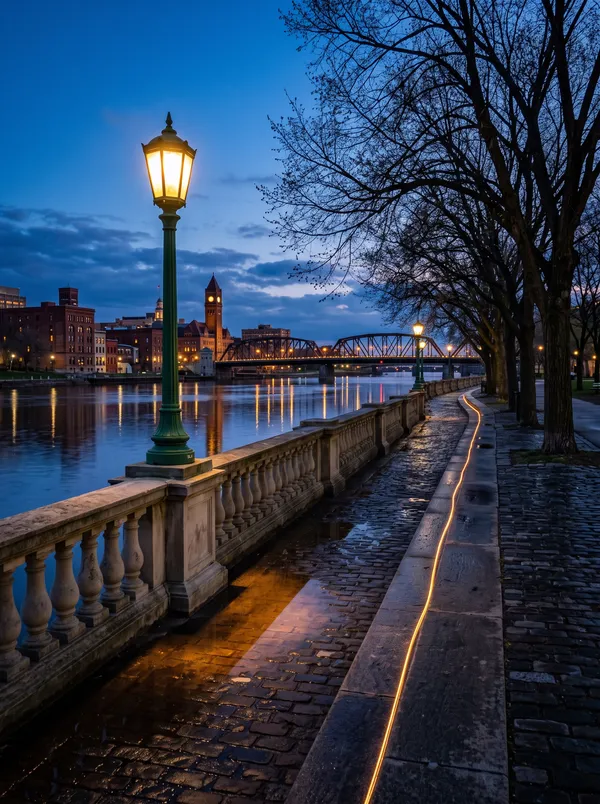
Lead visitors beyond the expected stops and turn local history, culture, and landmarks into an experience they will remember and share.
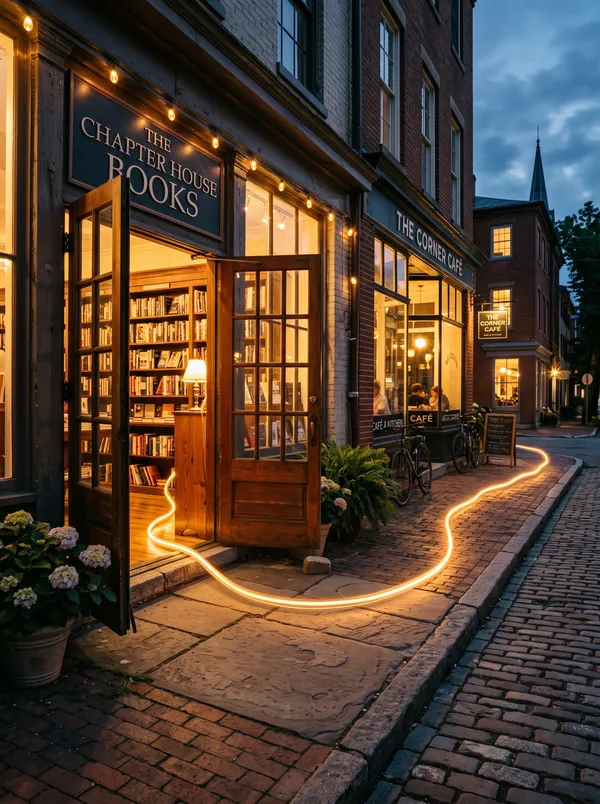
Draw people through a corridor or neighborhood, driving business to local merchants and giving public spaces meaningful roles in a shared story.
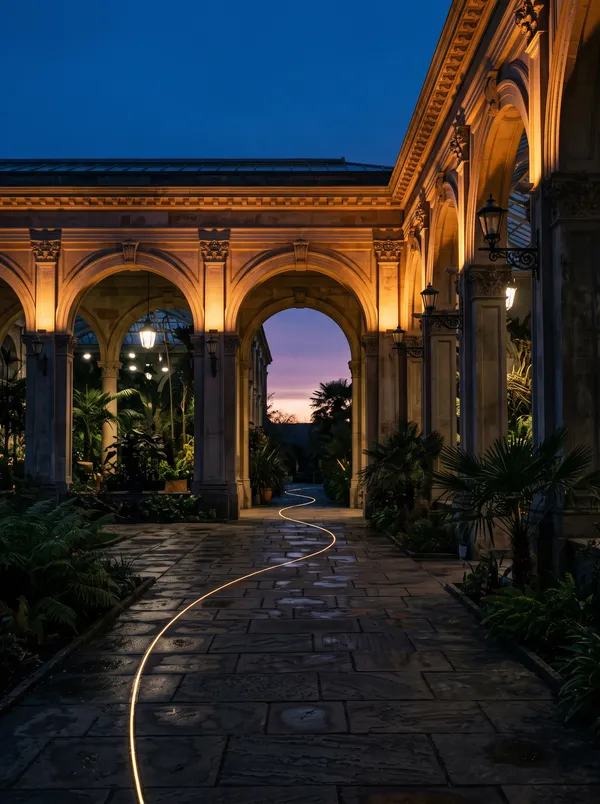
Create a new educational narrative through exhibits, habitats, galleries, and living collections – without altering the spaces themselves.
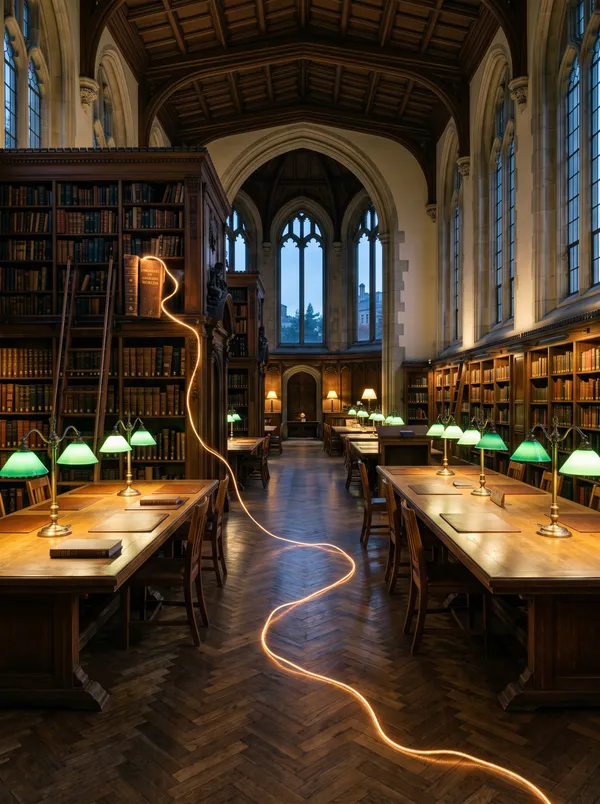
Reveal the stories embedded in civic places and give residents a new reason to explore the public spaces that belong to them.
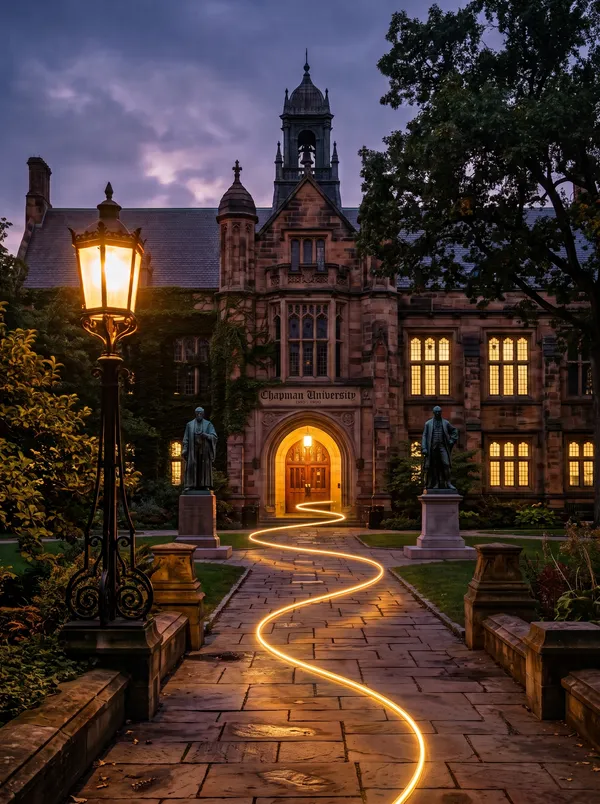
Transform campus tours, orientation, reunion weekends, and institutional history into experiences people complete and talk about.
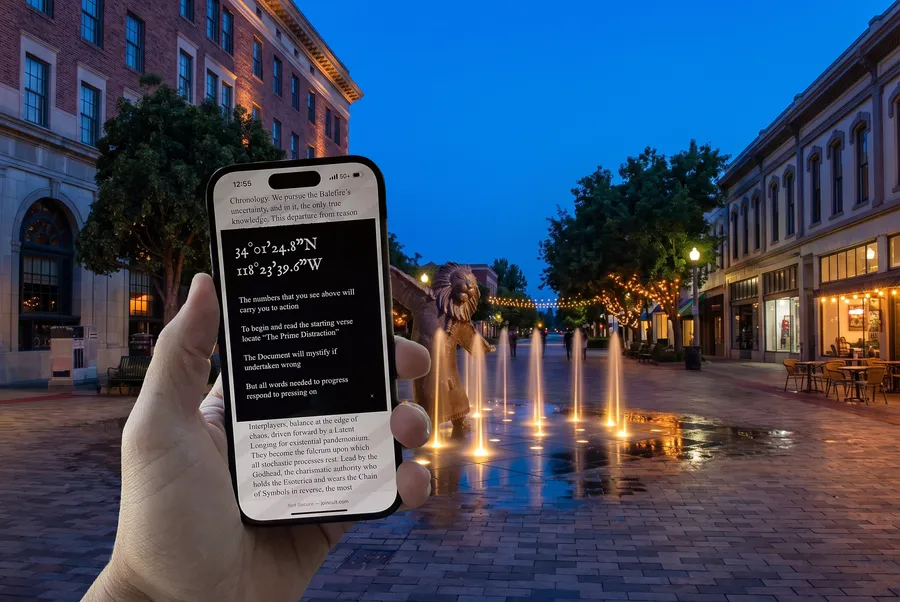
30,000 players in one week · eight city blocks · no marketing spend
A cryptic document conceals a walking tour of downtown Culver City inside rhyming verse. After one player attempted to solve it remotely using online imagery, the game spread on social media and drew more than 30,000 visitors in a week. A Discord community of thousands collaborated across the world, sending local players to investigate landmarks in person.
Join Cult proves that a location-based experience can reach far beyond the people physically present at the site.
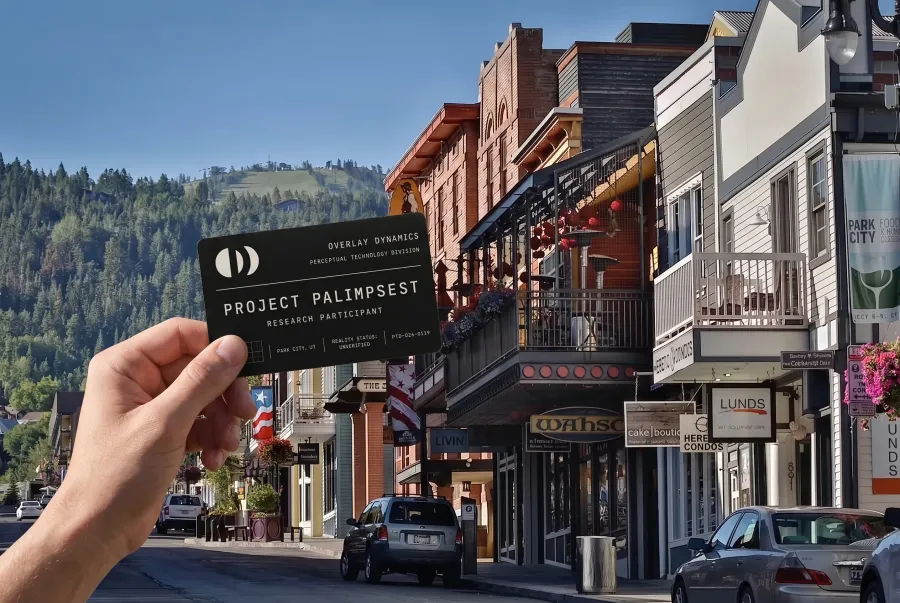
Designed and launched in under a week · built from 700 miles away
A simulation-themed story game leads players along Park City’s Main Street using solutions hidden in plaques, signs, and architectural details. The entire experience was researched, designed, built, and launched remotely in less than a week.
It remains playable, giving prospective partners a complete Overlay they can try on their own phones.
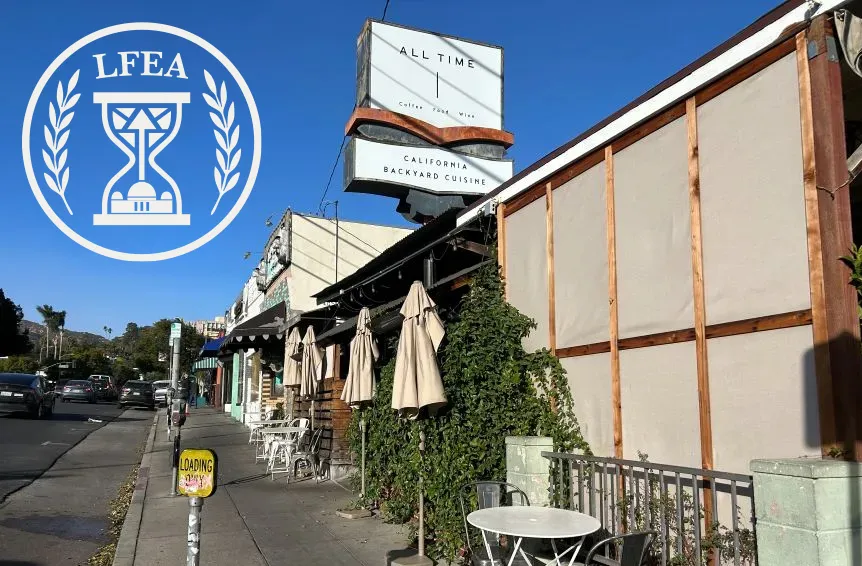
Five NFC locations · accounts and saved progress · real-world participation
A fictional neighborhood council communicating across time recruits players through a custom web app. Participants complete location-specific challenges, scan NFC tags outside local businesses, earn endorsements, and build an ongoing candidate profile.
The project demonstrates how an Overlay can support logins, saved progress, repeat participation, physical-digital interaction, and longer narrative arcs.
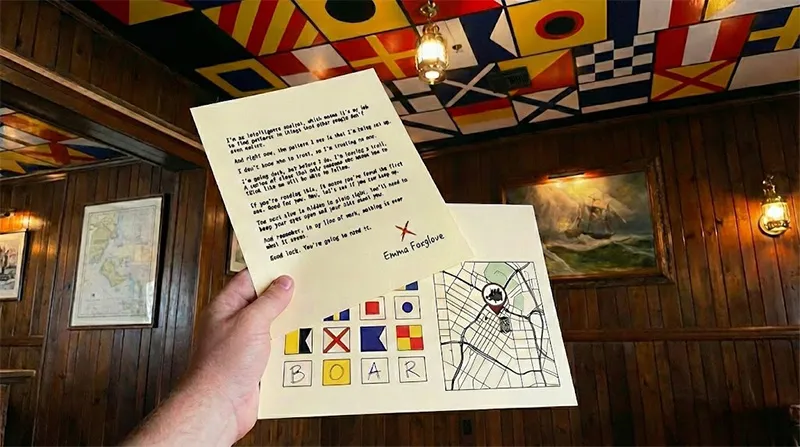
Entirely offline · no accounts, connectivity, or batteries required
A paper map, a codex, and a stack of letters lead players across downtown Los Angeles in search of a missing intelligence analyst. Clues embedded in real architecture and existing visual details guide the journey from place to place.
The experience shows that an Overlay does not need an app – or any screen at all – to create a rich, location-based story.
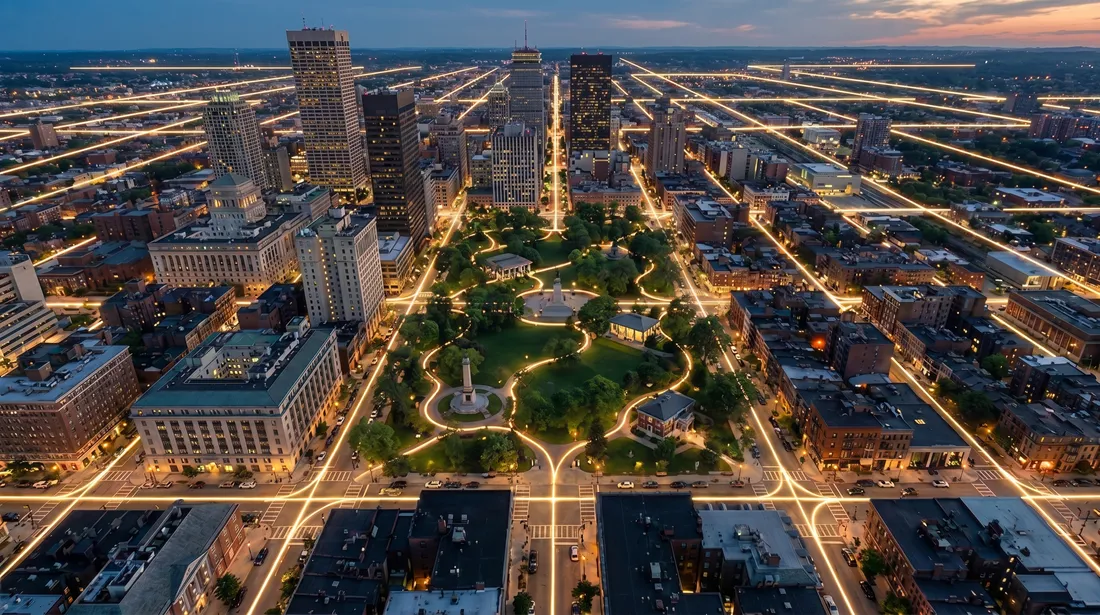
Overlay Dynamics leads narrative, puzzle, and experience design as well as web development. When a project calls for additional graphic design, fabrication, or specialized production, we assemble the right collaborators for that project.
Every Overlay starts with story, not technology. We find the narrative that belongs to the place, then develop the puzzles and platform around the site’s physical character, audience, operational needs, and goals. A typical engagement includes:
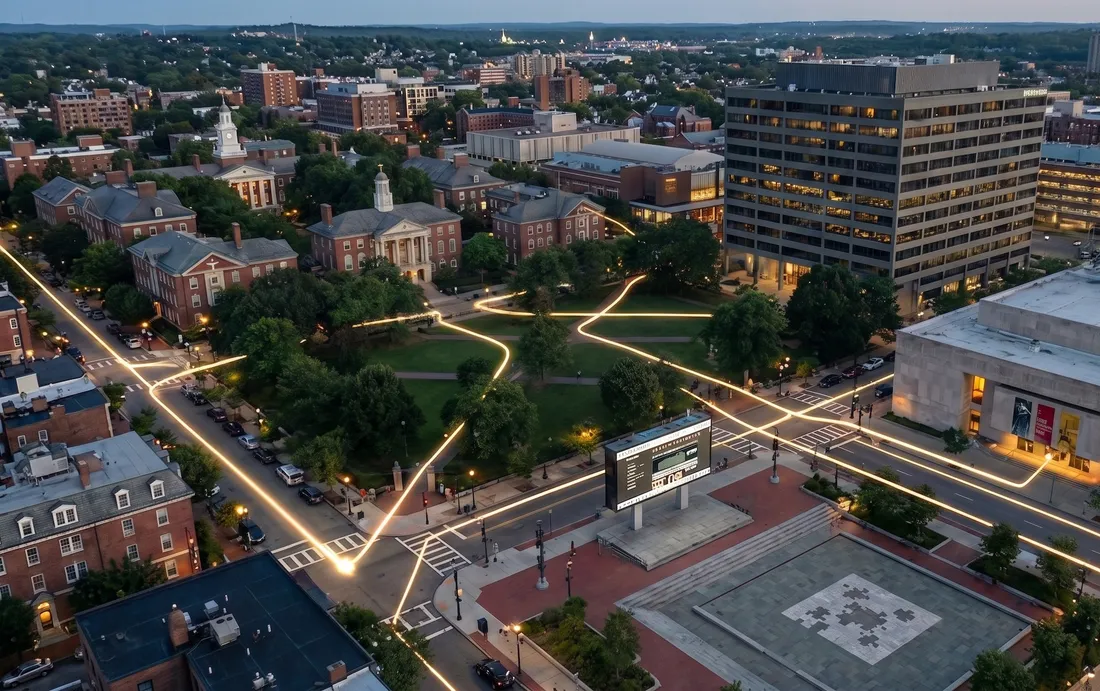
We begin with the place, the audience, and the result you want: deeper exploration, local-business participation, interpretation, repeat engagement, or something specific to your organization.
We research the site and develop the story, locations, puzzle mechanics, and visitor journey together. You review the experience at clear milestones rather than managing its day-to-day creation.
We design and build the visitor-facing technology and materials, then test the full experience for clarity, pacing, accessibility, and technical reliability.
Once the Overlay is live, we monitor the experience and provide clear reports on participation and progression. The core experience can continue running without daily operation by your staff.
From $6,000
For organizations that want to see how an Overlay could work before committing to full production.
When a concept sprint proceeds into production, part of its fee may be credited toward the full engagement.
From $25,000
A complete, self-guided experience for a focused site or route.
From $50,000
A larger experience with more locations, deeper technology, or multiple ways to participate.
Physical artifacts, performers, collectibles, rewards, facilitated finales, and temporary installations can be added when the experience calls for them.
Annual support begins at $3,600/year after the included first year. It covers hosting, monitoring, scheduled puzzle checks, minor technical fixes, and participation reports. New chapters, seasonal experiences, and substantial revisions are scoped separately.
Travel and project-specific production expenses are scoped separately.
A limited number of early institutional partners may receive reduced launch pricing in exchange for permission to publish approved photography, results, and a case study. Ask about availability.

Looking for narrative design, campaign work, or creative technology for an agency or brand rather than an experience for a place? Work with Ben directly at BenDeeb.com/hire.
Overlay Dynamics is led by Ben Deeb, a Los Angeles-based narrative experience designer, television writer, game designer, and developer. Ben has written four episodes of ABC’s Black-ish and holds two Emmy nominations for esports broadcast work.
His interactive and narrative work has been commissioned by experiential and marketing agencies including MKG, Denizen, Concept Arts, Ignite, and Aspect Ratio. In one recent engagement, he designed and built a playable web-based puzzle game for an entertainment campaign in three days.
Overlay Dynamics works nationally from Los Angeles. Each project brings on the specialists it needs instead of carrying a large production team between commissions. That keeps the core process direct, flexible, and proportionate to the experience being built.
Overlay experiences are ideally presented as subtle collaborations between the host institution and Overlay Dynamics. White-label production is also available.
Exploring an Overlay with colleagues, a board, or a funding partner? These materials explain the format, value, process, and investment in forms designed to be shared internally.
Tell us what you want your visitors to discover and what a successful experience would do for your organization. You don’t need to arrive with a story or puzzle concept – that’s what we’re here to create.
Pick a time on our calendar to discuss your site, goals, and ideas.
Turn your site into a story